What Kashmiris say is wrong
Every other file in this dossier counts something done to people. This one counts what was taken from them — and it starts from what they said themselves, unprompted, when somebody finally asked.
Not azadi. Not India. Not Pakistan. Work. Ranked above government corruption (68%) and above human rights abuses (43%) by the same people in the same survey. A population under military occupation, whose relatives are in the files either side of this page, told an international survey that the thing most wrong with their lives was that there was nothing to do and no way to earn.
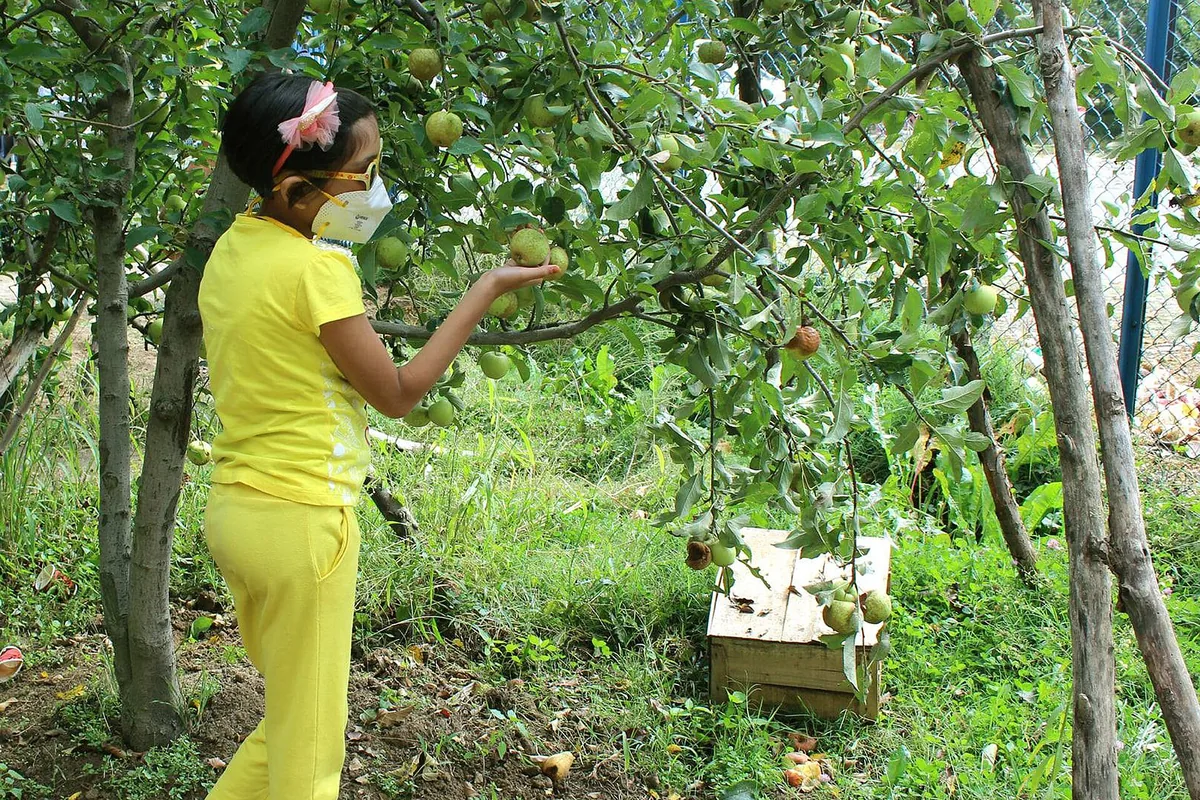

What the shutdowns cost
The communications blackout of August 2019 was not only an assault on expression. It was an assault on every livelihood that runs on a phone line. File 08 →
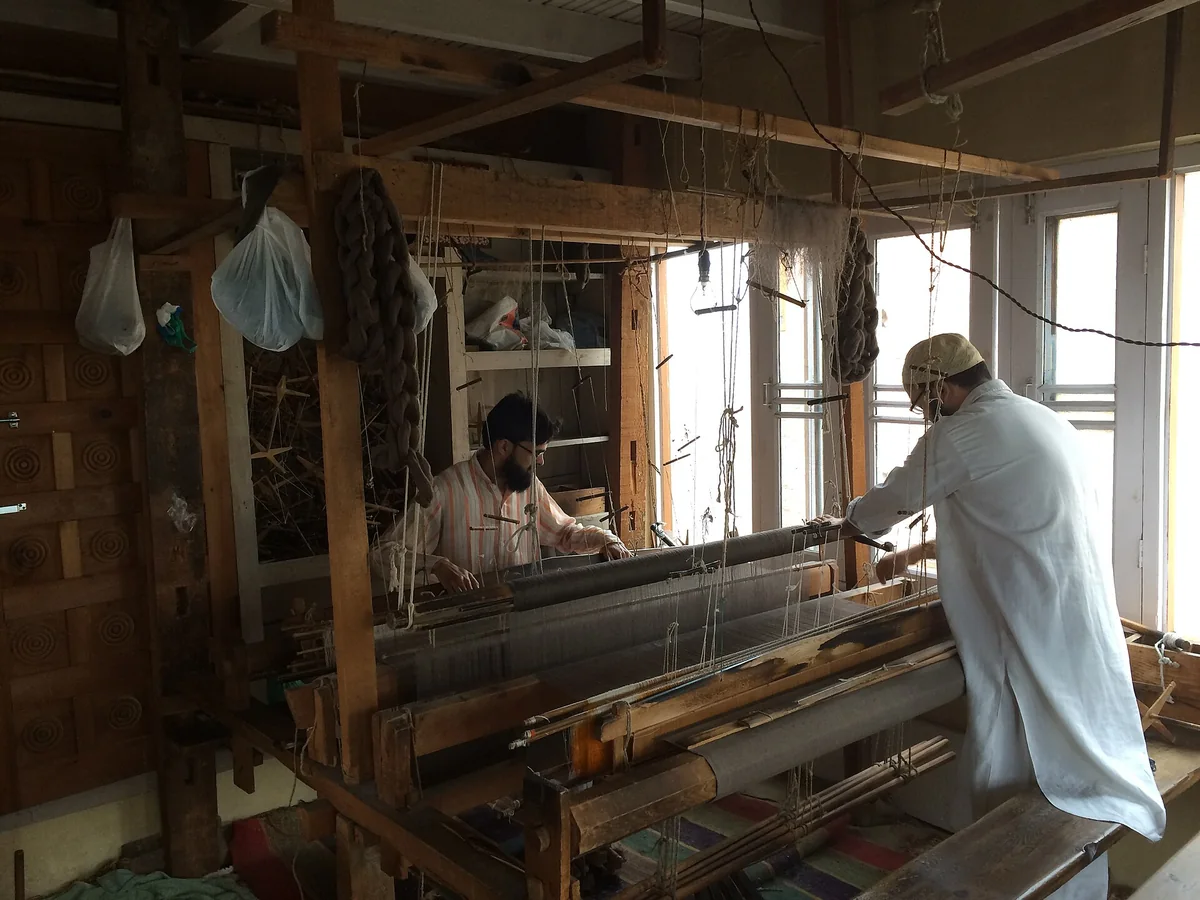
Handicraft is not a quaint detail. Kashmiri weaving, papier-mâché, walnut wood and pashmina are among the region’s few export industries, and they employ the poorest people in it. A sector losing seven-eighths of its turnover is a specific number of families losing everything.

The tourism argument, made honestly
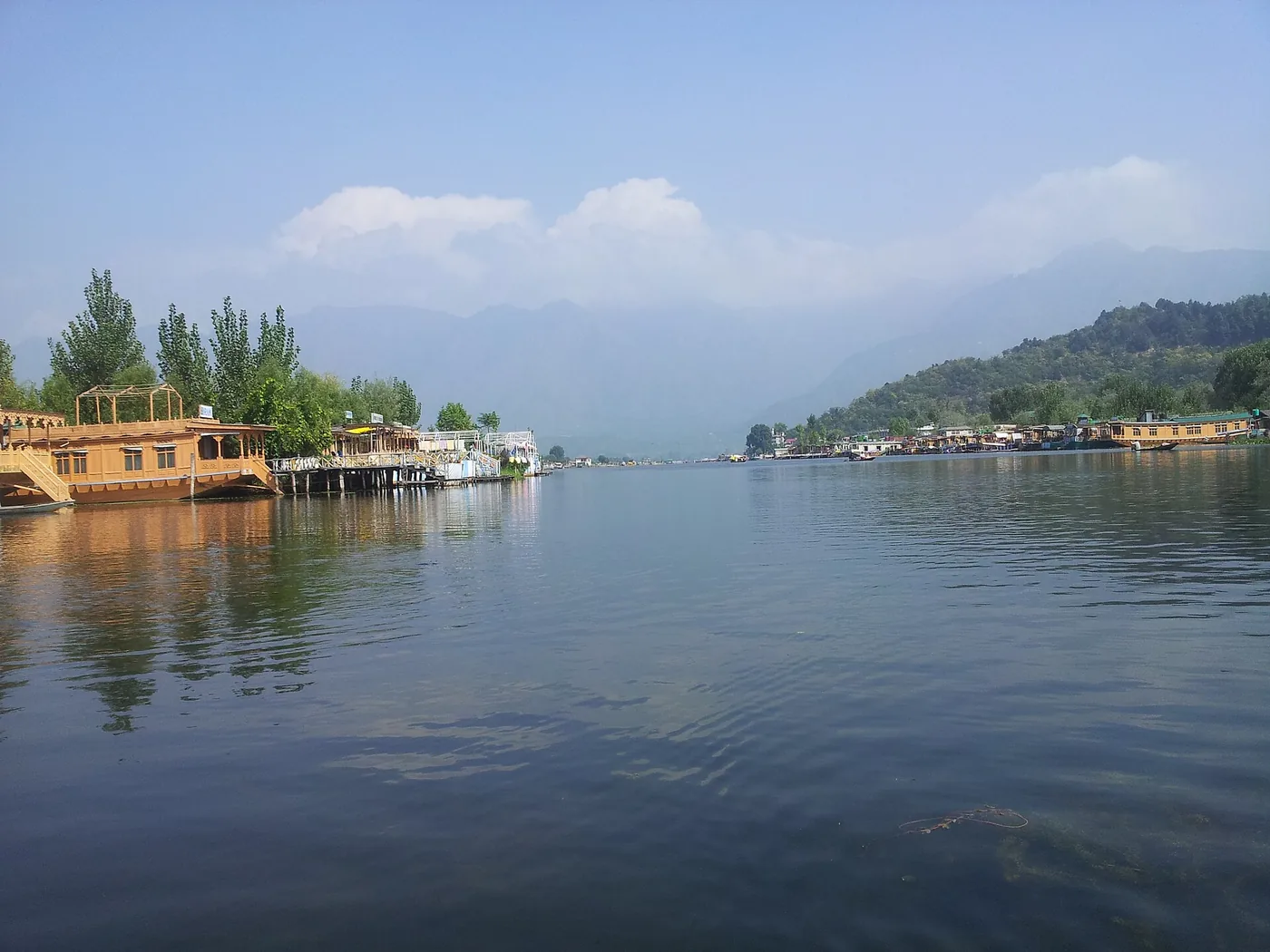
Kashmir is one of the most beautiful places in Asia. In a peaceful world the Valley, Gulmarg, Pahalgam, Sonamarg and Dal Lake would be a destination on the scale of the Swiss Alps, and the people who live there would be rich from it. That is not sentiment; it is what comparable geography does everywhere else on earth.
But this site is going to be careful here, because the honest version is more useful to Kashmiris than the flattering one. Tourism is commonly put at 7–9% of Jammu and Kashmir’s gross state domestic product — and Kashmiri economists have made the point sharply that a sector worth under a tenth of the economy should not be the thing the region’s politics is organised around, nor the thing people are asked to die for.[1] Horticulture — apples above all — matters more to more households.
So the claim is not that tourism is the economy. It is that the ceiling has been removed. A place that could support a large, high-value visitor economy alongside its horticulture instead has an industry that collapses on command: after the April 2025 Pahalgam attack, bookings vanished, hotels emptied and jobs went with them. An economy that can be switched off by a single event in a conflict nobody living there chose is not an economy. It is a hostage.


The point of this file
It is here because a human rights record that only counts the dead misses what the conflict does to the living, every day, for a lifetime. The 1,253 blinded by pellets had jobs to lose. The families of the 8,000–10,000 disappeared lost an income as well as a person — and a “half-widow” may be unable to claim a pension or inherit at all. File 03 → The 45% of adults showing symptoms of significant mental distress are not distressed in the abstract. File 10 →
Seventy-eight years of two states’ strategic ambitions have produced, for the people actually living on the ground: no work, no certainty, no ceiling, and a beautiful country they cannot make a living in. No political objective on either side is worth that, and none of it was ever put to them.
Sources & notes
- Figures in this file are drawn from reported estimates and are attributed rather than asserted. The ₹17,878 crore six-month figure and the cumulative ₹40,000 crore-plus figure originate with Kashmiri chamber-of-commerce and industry estimates as carried in the press; the handicrafts turnover fall from roughly $250m (2013) to $34m (2019) is likewise a reported industry figure. This site has not been able to trace any of them to an audited or official statistical release, and says so rather than presenting them as verified. They are indicative of scale, not precise. On tourism’s share of GSDP, see Prof. Nisar Ali’s assessment (“Tourism only 6% of Jammu and Kashmir’s GDP”, The Kashmir Walla) and the commentary “If Tourism Contributes Only 7% to GSDP, Then Why Die for It?” (Kashmir Images, 5 May 2025) — both Kashmiri sources arguing against the over-weighting of tourism in the region’s politics. J&K’s GSDP was reported at ₹2.59 trillion (about US$29.3bn) for 2025–26. If you can source any of these properly, please tell us.